
स्वयंभू मंदिर से दिखता काठमांडू घाटी के ऊपर तैरता काला धुआँ। फोटो: प्रज्ञा श्रीवास्तव

वायु प्रदूषण की कोई सीमा नहीं होती: काठमांडू पर छाया स्मॉग एक क्षेत्रीय विफलता है

जैसा कि विश्व बैंक ने कहा है, जब प्रदूषण स्वयं सीमाओं को नहीं मानता, तब केवल राष्ट्रीय स्तर पर किए गए अलग-थलग प्रयास पर्याप्त नहीं होते। भारत, नेपाल, बांग्लादेश और पाकिस्तान एक ही एयरशेड (साझा वायु क्षेत्र) में आते हैं। सहयोग के बिना, हर देश अपने पड़ोसी की गलतियों की हवा में सांस लेता रहता है।
“वायु प्रदूषण से प्रभावित सबसे बड़ी आबादी का प्रतिनिधित्व करने वाली सरकार होने के नाते भारत को इस प्रयास का नेतृत्व करना चाहिए था। इसके बजाय, यह क्षेत्र सहयोग से दूर होता चला गया है और इसकी कीमत विनाशकारी रही है,” डॉ. सुबेदी ने कहा।

जब क्रिकेट ‘सिर्फ क्रिकेट’ नहीं रह जाता: दक्षिण एशिया में खेल कूटनीति का सिकुड़ता दायरा

यह खेल का महिमामंडन करने या उसकी कूटनीतिक क्षमता को बढ़ा-चढ़ाकर पेश करने का आह्वान नहीं है। न ही क्रिकेट ने कभी दक्षिण एशिया के संघर्षों का समाधान किया है। लेकिन उसने उनके तीखेपन को कुछ हद तक कम ज़रूर किया। उसने लोगों को यह याद दिलाया कि सीमाओं और विवादों के बावजूद एक साझा सांस्कृतिक भाषा भी मौजूद है। अब उस भाषा का क्षरण पूरे दक्षिण एशिया के लिए चिंता का विषय होना चाहिए। क्योंकि जब सांस्कृतिक आदान-प्रदान के सबसे सरल रूप भी कठिन हो जाते हैं, तो भरोसे का पुनर्निर्माण अनंत रूप से अधिक कठिन हो जाता है।

कश्मीर में बर्फबारी: सुंदरता, बोझ और हमारी मानवता की परीक्षा

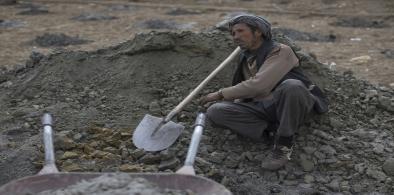
भारी बर्फबारी के सबसे बड़े पीड़ित अक्सर सार्वजनिक चर्चाओं में दिखाई नहीं देते। वे हैं दिहाड़ी मजदूर—मज़दूर, निर्माण कार्य में लगे लोग, सड़क किनारे विक्रेता, सामान ढोने वाले और छोटे सेवा प्रदाता—जो अपने परिवार का पेट पालने के लिए रोज़ की कमाई पर निर्भर रहते हैं। जब बर्फ से सड़कें बंद हो जाती हैं और बाज़ार ठप पड़ जाते हैं, तो उनकी आमदनी तुरंत रुक जाती है। दिहाड़ी पर काम करने वालों के लिए “वर्क फ्रॉम होम” का कोई विकल्प नहीं होता। न कोई सवेतन अवकाश, न ही कई लोगों के पास बचत का सहारा। बर्फ में घिरा हर दिन खाली रसोई, चिंतित माता-पिता और ऐसे बच्चों का मतलब होता है जो भूखे पेट सोने को मजबूर हो सकते हैं। उनके लिए सर्दी सुहावनी नहीं, बल्कि जीवन-संघर्ष का मौसम है।

भारत-यूरोपीय संघ व्यापार समझौते के साथ, भारत की विदेश नीति को नए सिरे से गढ़ने का समय

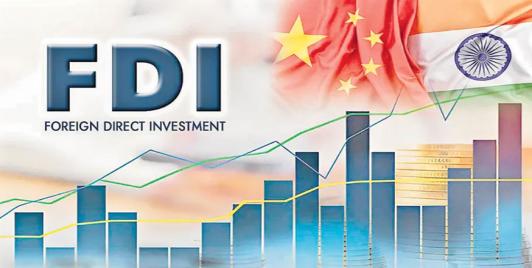
अब भारत को अगला कदम यह सोचने की ज़रूरत है कि वह अपनी सुरक्षा चिंताओं को ध्यान में रखते हुए बीजिंग के साथ संवाद की शुरुआत करे। वर्षों की शत्रुता और चीन के भारत-विरोधी रुख, साथ ही उसकी वर्चस्ववादी महत्वाकांक्षाओं ने स्वाभाविक रूप से गहरे अविश्वास का माहौल बना दिया है। हालांकि, अब परिस्थितियाँ इस बात पर पुनर्विचार के लिए अनुकूल हैं कि क्या मौजूदा दूरी दोनों देशों के पारस्परिक हित में है। ‘मध्य मार्ग’ का दृष्टिकोण सहयोग के क्षेत्रों की तलाश को उचित ठहराता है, विशेष रूप से व्यापार बढ़ाने के माध्यम से, ताकि चीन और भारत—दोनों के लिए—अमेरिकी बाज़ार पर अत्यधिक निर्भरता को कम किया जा सके।

More on Reprints

A million deaths from coronavirus: seven experts consider key questions

The pandemic has reached a grim milestone: one million people have now died of COVID-19, according to Worldometers

India: why secrecy over Narendra Modi's coronavirus relief fund damages democracy

Since India overtook Brazil in September to become the country with the second largest number of coronavirus cases in the world (after the US), the response of the government of Narendra Modi has come under even tighter scrutiny

India-US relations, Indian Americans will fare much better under Biden

On November 3, Americans will decide whether to give another four years to Donald Trump, the Republican candidate, or to give the Oval Office to former vice-president Joe Biden, the Democratic candidate

Bangladesh PM’s ‘martial law’ comment reflects people’s deeply held belief

The blunt statement on September 7 of Prime Minister Sheikh Hasina in a virtual meeting with the Armed Forces Selection Board—that "we should exclude Martial Law from military lexicon"—was both surprising and refreshing

Pakistan’s centuries-old Bakarwal community faces dual threat

Even as the summer drew to an end in the last week of July, the snow had not completely melted in the pastures of Deosai in northern Pakistan

Bangladeshi fishers cannot find Hilsa in peak season

“Half the season is gone. Where are the Hilsa?” asked Abu Jaher, a 40-year-old fisher from Samraj in Bangladesh’s coastal district Bhola. “There was a 65-day ban on fishing

Can Pakistan go beyond chemical pesticides for locust control?

Pakistan is facing one of its biggest threats yet from crop-ravaging locusts, which have dire consequences for the livelihoods and food security of millions of people

Biogas makes big waves in rural Bhutan

Bhim Maya, a 72-year-old farmer in Hangey village in Samtse, is unconcerned about the spiraling price of cooking gas. Her small biogas plant has freed her of dependence on liquefied petroleum gas (LPG)

Two-thirds of glacier ice in the Himalayas will be lost by 2100 if climate targets aren't met

In the world of glaciology, the year 2007 would go down in history. It was the year a seemingly small error in a major international report heralded huge changes in our understanding of what was happening to the Himalayan glaciers

Coronavirus: how countries aim to get the vaccine first by cutting opaque supply deals

The University of Oxford recently published promising news about the results from the phase one/two trials of the vaccine it is developing for COVID-19

Who owns groundwater in water-stressed Pakistan?

Pakistan ranks fourth in the world in terms of annual groundwater abstraction – the amount of water taken from an underground source

Can neutral status protect Afghanistan from foreign interference?

Afghanistan, a non-aligned country, was a founder of the Non-Aligned Movement (NAM) in Belgrade, the capital of the former country Yugoslavia in 1961

Why are bees dying en masse in Bhutan?

There is a Nepali saying, “Wise action is the fruit of life, wise discourse is the pollination.” This was one of the many things about pollination that Sonam Dorji, from Bhutan’s central district of Bumthang, heard from his grandparents

Bangladeshi workers stranded in Vietnam on false promises

As trafficking of Bangladeshis to Vietnam came to the fore after 27 stranded nationals demonstrated in Hanoi last week, 15 others are crying out to be rescued from the Southeast Asian country

A tale of misplaced priorities

It's mind-boggling to think of a situation where there is an urgency, poor people are in dire need, and money is in the hands of the government allocated to help those in need, but the money is not being distributed properly