The reality is that communal politics of the kind played by the BJP, led by Prime Minister Modi, has stopped paying dividends of the kind that it once did.


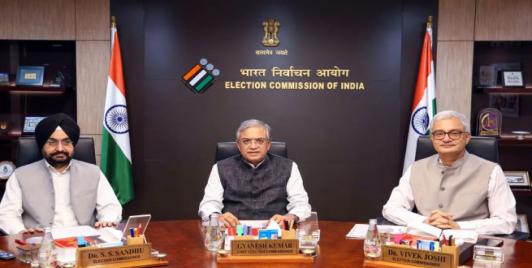
The ongoing SIR is not merely about helping a particular party win an election; it points to a much deeper design - to create a customised electorate in the country. It is intended to turn India into a Republic in which only some sections of the population remain politically relevant.
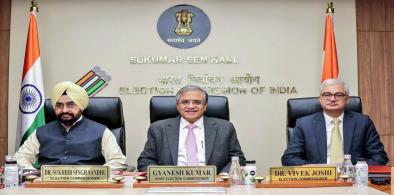
The Election Commission belongs neither to the government of the day nor to the Opposition. It belongs to the people of India. Its first duty is to protect the citizens' vote. That is the standard by which the CEC, the two ECs should be examined.
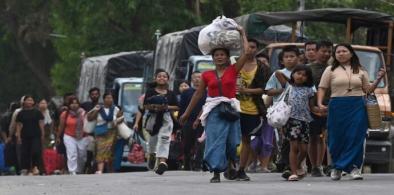
Manipur therefore needs to move beyond the language of relief and towards the language of restoration. The ultimate measure of recovery will not be how many camps have closed. It will be how many families can safely return, rebuild their livelihoods, educate their children, access justice and live without fear.
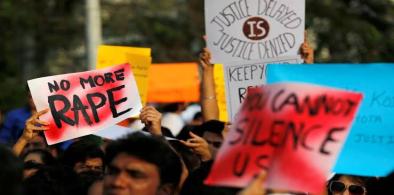
The Chopra siblings' murder in 1978, the Nirbhaya case of 2012, R.G. Kar Kolkata in 2024 and Kalkaji in 2026 belong to different historical contexts. Yet they reveal a recurring difficulty in Indian governance: we are capable of extraordinary mobilisation after extraordinary violence, yet less consistent at converting that mobilisation into permanent institutional practice.
The reality is that communal politics of the kind played by the BJP, led by Prime Minister Modi, has stopped paying dividends of the kind that it once did.
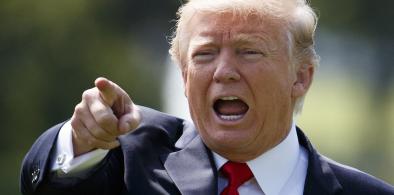
As the world watches the unfolding drama in the United States, the implications for South Asia, particularly India, Pakistan, and China, are profound
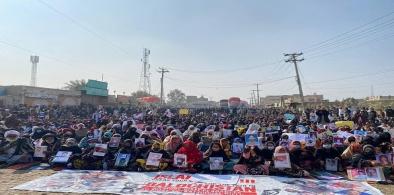
The Baloch resistance movement faces an unprecedented threat in the form of deepfakes and propaganda propelled by 5GW tactics. The strategy aims to destabilize and discredit the movement, paving the way for a tightened grip on the region.

This need got a number of us doctors working in different parts of India to come together as a group. We post our questions in the group, or call up an expert for guidance: How do you manage fluctuating blood sugar in a young woman with diabetes? How do you treat malaria in a pregnant woman? We meet online once a week - to share new knowledge, case studies, and also ask questions.
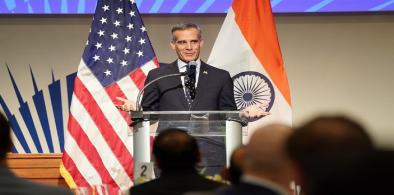
The US needs to acknowledge that it needs India more than the vice versa. It would be good for the Biden Administration to get off the high horse and not issue “warnings” that can adversely impact the existing bilateral relationship.
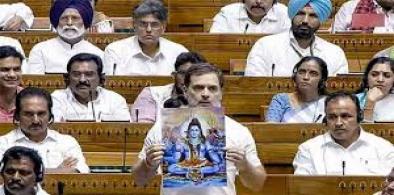
While leaders like Mahatma Gandhi to Rahul Gandhi have expounded on the humane aspect of Hinduism, the Hindutva fraternity are seen by its critics to have treaded the path of hate and violence.
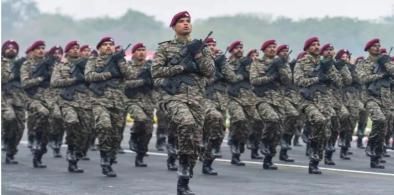
There is always resistance to any change and in a democracy with free media and freedom of expression, varied views on all matters are only to be expected and welcome. In this fast-developing world, an army can’t be static - or traditional - and frozen in an era of the past.
Babar Ali, a senior TTP commander, says, “Entire country (Pakistan) is now under our control; we are present in every corner of Pakistan.” Some 200 TTP fighters are located close to Pakistan’s largest nuclear facility in Dera Ghazi Khan in Pakistan’s Punjab

As the world turns more careful and looks to build with caution and care, the Indian State is going berserk in multiple directions with the goal of showing its strength outside India while ordinary Indians are getting the rough end.
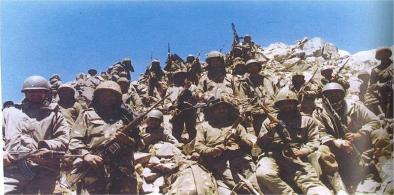
Taking stock of the Kargil War 25 years later, what unfortunately emerges is that most of the important lessons have not been learnt, at least by India’s politico-bureaucratic establishment.
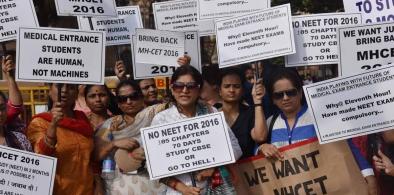
This also means unshackling the education sector, allowing greater freedom and autonomy to institutions of higher education in deciding curricula, courses, faculty hiring and salaries, student fees and programs. Otherwise, millions of our youth are wasting the prime years of their youth with a psychological burden, and grueling study with repeated attempts, to crack exams, where the odds of winning are worse than a lottery.
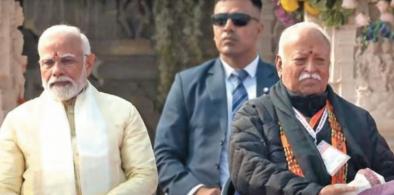
In that light, the words of Mohan Bhagwat signal discomfiture. But his hesitation to name Modi and call him out indicates that the RSS is caught in a trap of its own making.
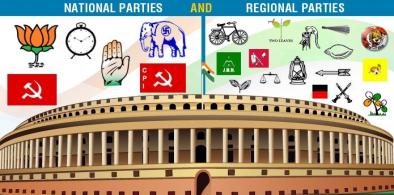
There has to be a common thread holding the weave of a multidimensional diverse nation like India. The thread is definitely not how or to which God your pray (or not), what dress you wear (or wear no dress at all!), what you eat or not.
Without these reforms, the laudable objective of “India a Developed Nation by 2047” may remain a distant dream.
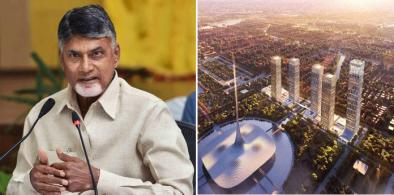
If India's states seek to compete with each other in a spirit of competitive federalism and use their political clout constructively for economic progress and welfare as several states have done there is nothing wrong.